
While divorce always has difficult emotional elements, to the state, it’s just another legal process governed by specific laws and regulations. These dictate the grounds for divorce that you are permitted to seek, the division of property, child custody, and other critical aspects of a divorce. It’s always best to work with a divorce attorney in Charleston, SC to have the smoothest possible experience. While no one can guarantee how their spouse may react in these situations (and that’s one of the biggest factors in how easy or difficult a divorce is), you can control your side of things. Having an attorney guarantees that, on your side at least, things go quickly and smoothly.
To obtain a divorce decree, you must prove grounds acceptable to the state, unless you are agreeing to a no-fault divorce. The state recognizes both fault-based and no-fault grounds.
No-fault divorce is granted when you and your spouse have lived separately and apart for at least one year without cohabitation. This option does not require anyone to prove wrongdoing in this situation, but you do have to go through a separation period. Here in South Carolina, you must actually have lived physically apart in different residences for a minimum of 365 days. Be aware that if you and your spouse came together for any period of time, even if it was just for one night, this counts as a “reset” of the waiting period.
Fault-based grounds for divorce include adultery, desertion for one year or more, physical cruelty, and habitual drunkenness or drug use. Proving fault can impact other aspects of the divorce, such as alimony or property division, since the court may consider this misconduct when making decisions. For example, if one spouse committed adultery, this could bar them from receiving alimony. However, the court will require you to prove the fault you are claiming, and your lawyer can help you make sure you have the necessary evidence to do so.
The divorce process in South Carolina begins with filing a Complaint for Divorce in the Family Court of the appropriate county. You have the right to do this on your own, but you also have the right to have an attorney take care of the legalities for you. If you are the filing spouse (the plaintiff), you must ensure that your spouse (the defendant) is properly served with the divorce papers. South Carolina law allows you some options here: you can serve them personally, by certified mail, via the sheriff’s office, or through a publication if the defendant cannot be located. Talk with your lawyer about the best option for your situation.
Once they’ve been served, the defendant has 30 days to respond by filing an Answer. If the divorce is uncontested, which means that both of you agree on all issues, the process goes pretty quickly through a simplified procedure (though there’s still plenty of paperwork involved).
If the divorce is contested, you’ll then have to deal with discovery, mediation, and potentially a trial. During discovery, you exchange information about finances, assets, and other relevant matters. Mediation, which is often required by South Carolina courts, provides an opportunity for you to negotiate and resolve disputes with the help of a neutral third party. If mediation fails, the case proceeds to trial, where a judge will make final decisions on unresolved issues.
South Carolina is an “equitable distribution” state, which means that the court aims to divide property fairly, but not necessarily equally, between the spouses. The property that is separated in this process is “marital property,” and this includes all assets and debts that either of you have acquired during your marriage. This would include not just properly like homes and cars but also your retirement accounts, any savings accounts you might have, property such as jewelry or fine art, and also your debt, including credit card debt. Property that is exempt from this division is called “separate property,” and this includes anything that you or your spouse personally owned before the marriage or which you inherited during the marriage.
Dividing up this property can be quite a complicated process, since deciding what is marital and what counts as separate can be quite difficult. Many couples mingle their separate assets once they get married, and if you’ve done that, it’s usually going to be part of the marital property. For example, if you received an inheritance for you alone, but then use that inheritance to pay off the mortgage of a house you share ownership of with your spouse, that inheritance has become marital property.
The court considers the length of the marriage, each spouse’s contributions (including non-financial contributions, like homemaking), the income and earning potential of each spouse, and any marital misconduct when dividing up assets. The best way to avoid having the court step in here is if you can negotiate a settlement of the property with your spouse. An experienced lawyer can help you negotiate a settlement that is in your best interests and which protects your financial future, while also ensuring that it will be approved by the court as fair and equitable.
South Carolina allows for a couple of types of alimony: permanent, rehabilitative; reimbursement; lump sum; and separate maintenance. It’s very difficult to suggest what your options might be here without knowing the details of your situation, as these choices depend entirely on your finances and that of your spouse. The court will generally consider how long the marriage lasted, what standard of living the two of you had during the marriage and whether both parties are able to maintain that on their own, the age and health of both parties, the financial resources that each has access to, and the income or income potential of each party. If one of the spouses caused the divorce through their bad behavior, the court will also take this into consideration.
When children are involved, the state’s legal standard is to act in the “best interest of the child.” This means the courts are to make (or agree to) custody arrangements that promote the child’s physical, emotional, and mental well-being. South Carolina allows for both legal custody (the right to make decisions about the child’s upbringing) and physical custody (where the child lives), and both types of custody can be sole or joint. Child support calculations are based on both parents’ incomes, the number of children, the custody arrangement, and additional needs, like health care or education expenses.
Perhaps your most important legal right in a divorce is the right to have an experienced family law attorney on your side throughout the process. Your attorney will protect your rights, ensure that all agreements are in your best interest, help you negotiate, represent you in court, and make sure all the legalities are taken care of.
For help with your divorce, reach out to us at the Ballinger Law Firm in Mount Pleasant, SC today, where we serve everyone in Mount Pleasant, Charleston, Berkeley County, Dorchester County, and the South Carolina Lowcountry.
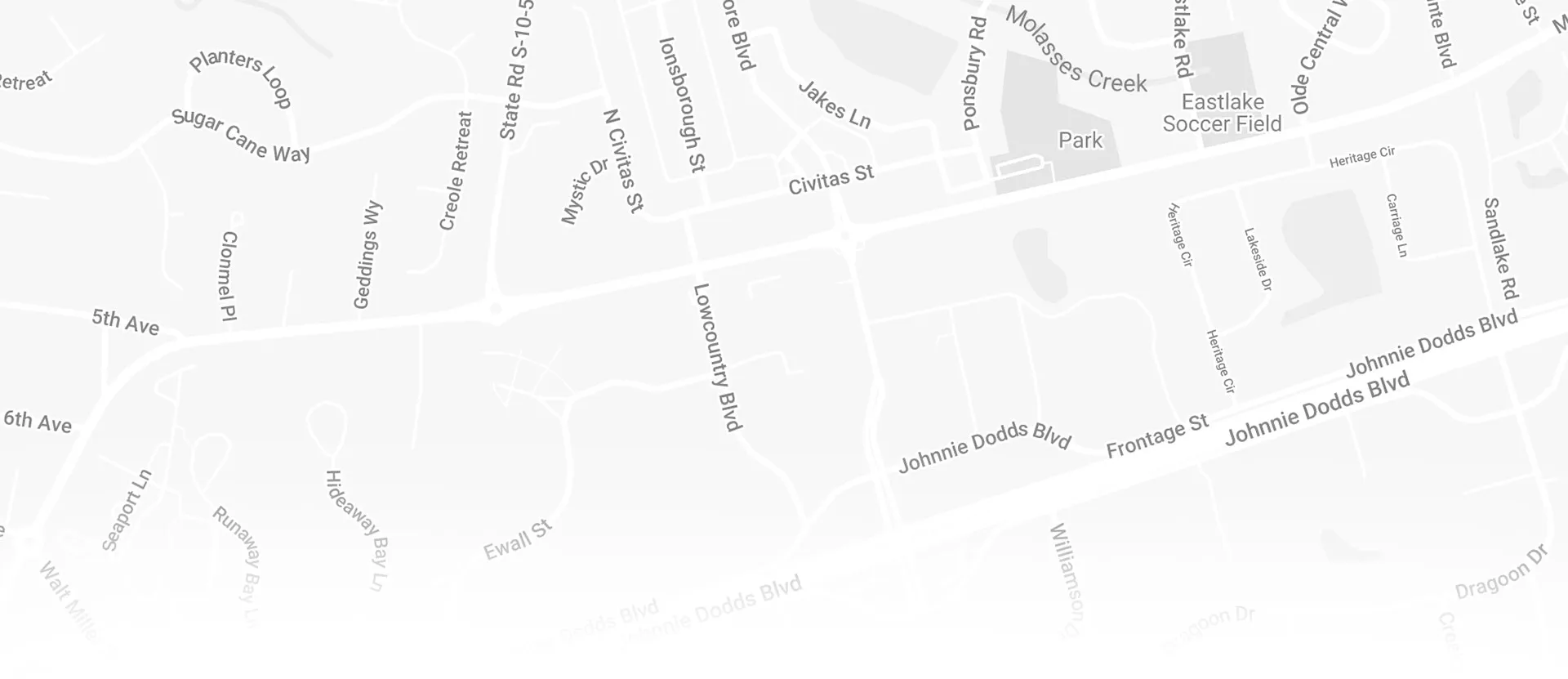
Visit our law office at:
Ballinger Law Firm – Mt Pleasant
858 W Lowcountry Blvd,
Mt Pleasant, SC 29464, United States
Phone: (843) 412 9507

© 2026 Ballinger Law Firm • All Rights Reserved.