
Child custody disputes often require more than testimony from parents and their attorneys. A custody evaluation or home study typically involves interviews, home observations, record reviews, and an assessment of each parent’s ability to meet the child’s needs. South Carolina courts use these evaluations to gather objective information about each parent’s living situation, parenting abilities, and relationship with the child.
Custody evaluations can feel intimidating, but understanding the process helps you prepare effectively. Because evaluators’ findings often carry significant weight in custody decisions, it is important to present yourself honestly and demonstrate your commitment to your child’s well-being. At Ballinger Law Firm, we guide parents through each stage of the process.
Courts order custody evaluations to obtain an independent, professional assessment of family dynamics when parents cannot agree on custody arrangements. South Carolina Code Section 63-3-530 grants family courts jurisdiction over custody and related family law matters, and evaluations can provide information the court may consider when resolving issues affecting a child.
Courts appoint licensed mental health professionals to conduct custody evaluations. These professionals have training in child development, family dynamics, and psychological assessment that qualifies them to evaluate parenting capabilities.
Home studies may also involve representatives from the South Carolina Department of Social Services or private agencies approved by the court. The evaluator serves as a neutral party whose loyalty lies in the child’s welfare rather than in either parent.
Judges order evaluations when they need additional information to make informed decisions about where a child should live and how parenting time should be divided. For example, cases involving:
Not every custody case requires an evaluation, and judges use discretion when deciding whether an evaluation would benefit the proceedings.
These evaluations involve multiple components designed to give evaluators a comprehensive picture of each parent’s home environment and relationship with the child. The specific elements included depend on the evaluator’s approach and the issues the court seeks to address.
Evaluators carry out thorough interviews with both parents, covering topics such as parenting history, daily routines, discipline approaches, and future plans for the child. Children who are old enough may also take part in age-appropriate interviews to share their feelings, preferences, and experiences with each parent.
The home study portion involves scheduled visits to each parent’s residence to assess the living environment where the child would spend time. Evaluators examine several factors during home visits:
Preparing your home before the visit demonstrates your commitment to providing a suitable environment for your child.
Evaluators gather documents that address statutory considerations under South Carolina Code Section 63-15-240 that courts consider in custody determinations. These often include school records, medical records, court filings, and any documentation parents provide about their involvement in the child’s life.
Evaluators often contact third parties to obtain information about each parent’s relationship with the child and overall parenting abilities. Teachers, pediatricians, counselors, coaches, relatives, and family friends may receive calls or questionnaires from the evaluator seeking their observations.
Some evaluations include standardized psychological testing to assess each parent’s personality traits, mental health status, and parenting attitudes. Evaluators use validated instruments that provide objective data supplementing their clinical observations and interviews.
Custody evaluators focus on factors that indicate which arrangement would best serve the child’s physical, emotional, and developmental needs. South Carolina law directs courts to consider multiple elements when determining custody, and evaluators gather information relevant to each factor:
Demonstrating genuine concern for your child’s well-being matters more than presenting a perfect image. Evaluators recognize authentic parenting and can usually detect when parents try to manipulate the process.
Facing an evaluation without legal support can leave you at a significant disadvantage during a critical phase of your case. At Ballinger Law Firm, we assist clients before, during, and after evaluations:
Having experienced legal counsel throughout the evaluation process protects your parental rights and positions you for success. We remain available to answer questions and address concerns as they arise.
If you face a custody evaluation or home study in South Carolina, you need knowledgeable legal representation to guide you through this important process. Contact Ballinger Law Firm at (843) 412-9507 to schedule a consultation with a reputable child custody lawyer who will answer your questions, address your concerns, and develop a strategy to protect your relationship with your child.
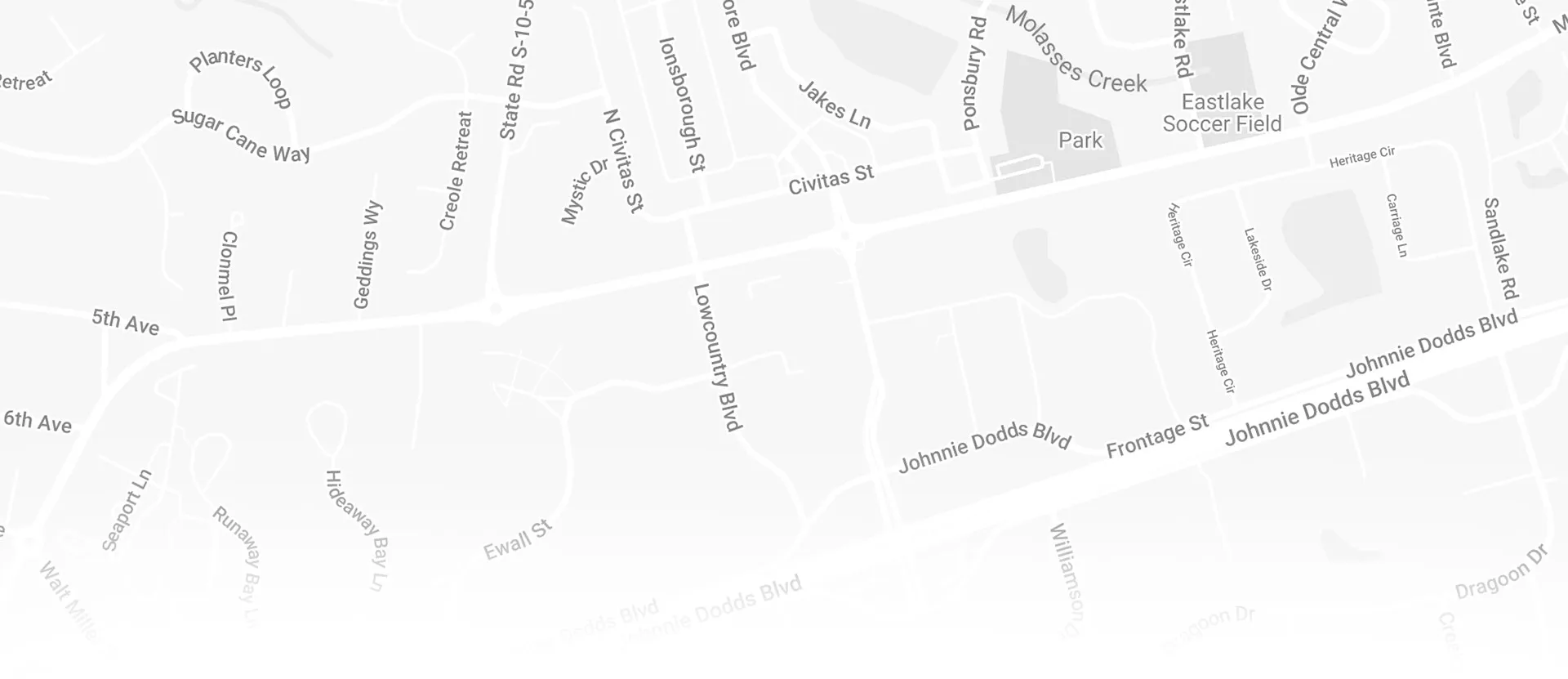
Contact the experienced lawyers at Ballinger Law Firm today & schedule your free consultation. We proudly serve Mt Pleasant & all throughout South Carolina. Visit our law office at:
Ballinger Law Firm – Mt Pleasant
858 W Lowcountry Blvd,
Mt Pleasant, SC 29464, United States
Phone: (843) 412 9507

© 2026 Ballinger Law Firm • All Rights Reserved.