
South Carolina does not set a minimum number of years of marriage you must have before you can request alimony, but the length of your marriage is one of the most significant factors a judge considers. However, it is not a strict threshold that automatically qualifies or disqualifies a spouse from receiving alimony. Courts consider the full picture of your financial circumstances and your role in the marriage.
Under South Carolina Code § 20-3-130, family court judges weigh a broad set of factors when deciding whether to award alimony and how much to grant. No single factor controls the outcome, and every case involves a unique combination of circumstances. The court considers the following when making its determination:
Judges have wide discretion in weighing these factors, so two cases with similar marriage lengths can yield very different outcomes. The strength of your case depends on how these elements come together and how effectively they are presented to the court.
While no minimum marriage length exists in South Carolina, the duration of your marriage heavily influences the type and amount of alimony or spousal support a judge may award. Longer marriages generally produce stronger alimony claims, but shorter marriages do not automatically prevent an award.
Courts view short-term marriages with more scrutiny when it comes to alimony requests. You can still receive an award, but judges are more likely to limit it to rehabilitative alimony designed to help you become self-supporting within a specific timeframe. If you gave up a career or educational opportunity during even a brief marriage, that sacrifice strengthens your position considerably.
Mid-length marriages allow courts to consider a broader set of alimony options. Judges evaluate how the marriage impacted each spouse’s earning ability, including any career sacrifices made to support the family or raise children. Rehabilitative or limited-duration alimony is often awarded, with the amount and length tied to the financial disparity between the spouses.
Long-term marriages often increase the likelihood of a substantial alimony award, including permanent periodic alimony. After 15 or more years together, courts recognize that one spouse may have significantly diminished earning potential due to years spent outside the workforce. The older a dependent spouse is at the time of divorce, the more weight judges give to the argument that becoming self-supporting is unrealistic.
South Carolina still considers fault in alimony decisions, and it can dramatically change the outcome. Under the South Carolina alimony statute, a spouse who commits adultery loses the right to receive alimony entirely. Other forms of marital misconduct, like habitual intoxication, physical cruelty, or desertion, do not automatically bar alimony. Still, judges can weigh them when deciding how much to award and for how long.
The law provides for four different forms of alimony, with the court choosing the option that best matches your circumstances based on the relevant factors. Each type has a distinct purpose and its own guidelines for length and modification:
The type of alimony a judge awards shapes your financial reality for years after the divorce. Ensuring the court has a complete and accurate picture of your financial needs and contributions during the marriage can help the court reach an informed decision.
Life changes after divorce, and South Carolina law (S.C. Code § 20-3-170) allows either party to request a modification of alimony when circumstances shift substantially. Not every change qualifies, so you should know what triggers the court’s willingness to revisit an existing order:
Lump-sum alimony is the one type that cannot be modified after the court enters the award. For all other types, the spouse requesting the change carries the burden of proving that the shift in circumstances is substantial enough to justify a new order.
Whether you’re seeking a modification or defending against one, having a family law attorney on your side strengthens your position in court. An attorney can gather the financial documentation needed to demonstrate changed circumstances, present compelling arguments to the judge, and protect you from agreeing to terms that leave you worse off in the long run. Modification hearings move quickly, and walking in prepared makes all the difference.
Every alimony situation involves its own set of facts, and the answers that matter most depend on the specifics of your marriage, your finances, and your goals going forward. If you have questions about your eligibility or want to discuss your options, contact Ballinger Law Firm at (843) 412-9507 to schedule a consultation with one of our alimony attorneys in South Carolina who can give you the clarity you need to make informed decisions.
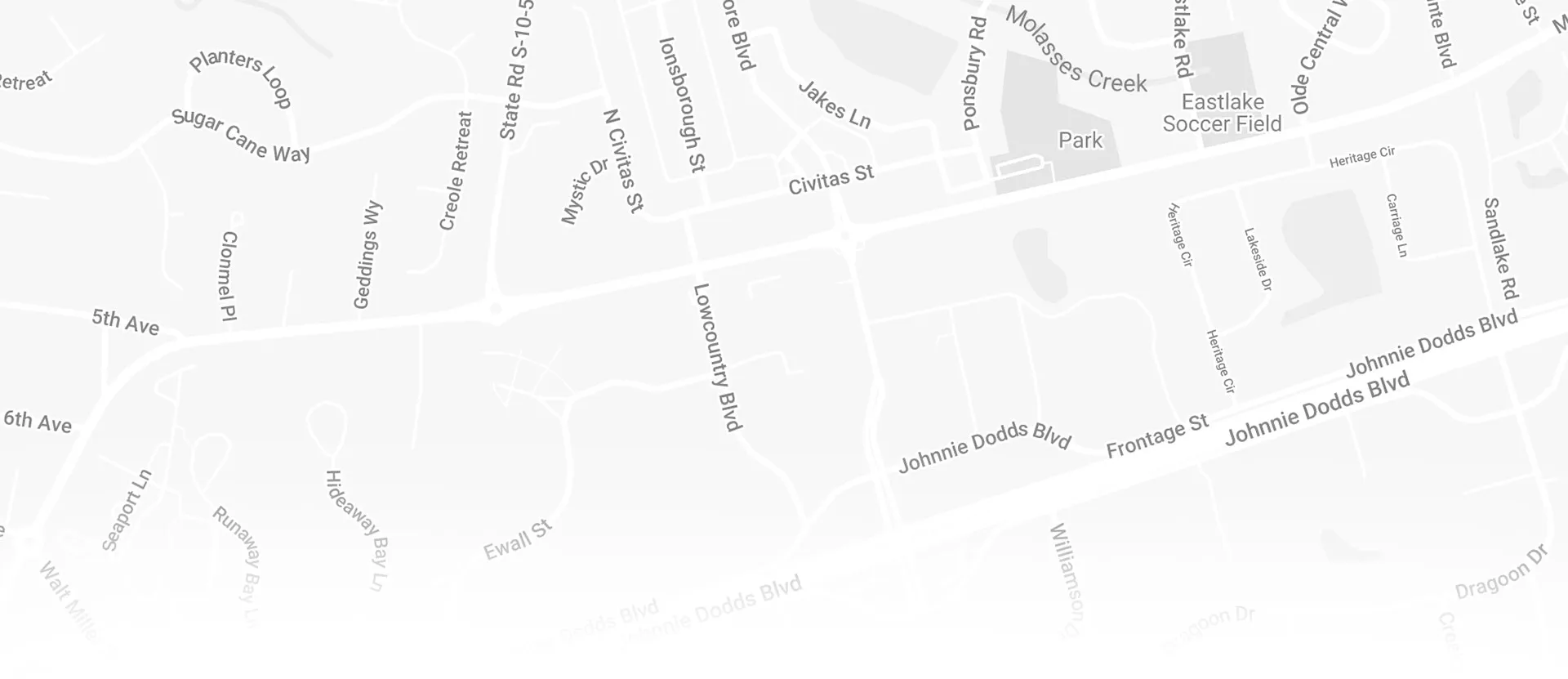
Contact the experienced lawyers at Ballinger Law Firm today & schedule your free consultation. We proudly serve Mt Pleasant & all throughout South Carolina. Visit our law office at:
Ballinger Law Firm – Mt Pleasant
858 W Lowcountry Blvd,
Mt Pleasant, SC 29464, United States
Phone: (843) 412 9507

© 2026 Ballinger Law Firm • All Rights Reserved.