
When a couple has a lot of assets, it can be especially complicated to get divorced. In these situations, it’s essential to have an experienced high net-worth divorce attorney to help you with the difficult calculations that need to be made. This attorney needs to not only have experience in the complex division of assets like businesses, luxury properties, trusts, and investments but also a thorough understanding of South Carolina law and experience with the Berkeley County, SC family courts.
First, your attorney will help you in identifying all the assets that need to be considered. If you suspect that your spouse may be trying to hide assets, your attorney can help you to uncover these. Sometimes, assets are missed just because no one really thought of them as “assets,” without either spouse attempting to hide anything. Assets can be more than just the obvious investment portfolios, real estate, and businesses and can also include things like intellectual property, offshore accounts, luxury items like cars and jewelry, and trusts.
Once all the property has been identified, the next step is to determine which are marital property and which separate property. Separate property is anything either spouse owned, completely on their own, prior to the marriage or which has been gifted to them specifically and alone or inherited. Marital property is everything else acquired by either spouse during the course of the marriage. Separate property can become marital property if it is mingled with marital property or used by the couple together. Whatever can be proved to be separate property is not subject to division in the divorce.
Next, your attorney will help you to properly value all of these assets. Some of these valuations can be very difficult and will require bringing alongside some experts such as forensic accountants. Other specialists might be needed, as well, such as real estate appraisers, fine art experts, and business valuation professionals.
With some assets, the evaluation may be open to interpretation. For example, retirement accounts have a lot of tax implications that must be considered, and there is some degree of projection into the future required. For this reason, it’s always important to have professionals do appraisals so that the two sides can more easily come to an agreement. Expert help is also important because of the implications of doing this badly. An asset that is undervalued may be divided in such a way that one spouse loses out. Meanwhile, if an asset is overvalued, one or both spouses may end up with tax liabilities they should never have been saddled with.
Because of the nature of a high-asset divorce, disputes are very common in these proceedings. When a dispute is not handled properly, the whole divorce process can be unnecessarily delayed. One of the things that a high net-worth divorce attorney can do for you is anticipate what disputes may arise so you can develop a strategy to get through them as smoothly as possible. Here are some of the more common disputes in these sorts of property divisions:
When a couple shares a business they both have ownership of, structuring some kind of buyout or figuring out a way to split the value of the business can be very difficult. The value of a business lies in more than just what it has in the bank or what the property it sits on is worth. There’s also intellectual property questions, the value of the human capital (and questions of whether employees will stay if one or the other spouse is no longer involved), and the value of the brand itself. Usually, disagreements here center around the projected future profits, the total value of the business, and what role each owner will play going forward.
Offshore accounts can be great places to keep money to protect them from high tax rates, but they can also become easy ways to hide assets and have enormous potential to create conflict in these divorces. Even if a spouse is not deliberately trying to hide assets in a foreign account, the financial structures of these overseas holdings can make the division process difficult. There can also be hard feelings and lack of trust with these sorts of assets, even if there is no deliberate attempt to hide money.
These two types of assets are particularly difficult to deal with because of how quickly and drastically their value can change. With intellectual property, there are questions about ongoing royalties, ownership, and more. Investment portfolios can change dramatically just from one week to the next, making them very difficult to properly value. It’s vital here to work with an experienced attorney who understands these complexities and can help you to craft an agreement that takes potential value changes into account.
There can be very significant tax implications in any divorce, and the more assets you have and the greater their value, the more serious this issue can become. Cashing out stock options, selling real estate or businesses, or dissolving a retirement account early can saddle one or both partners with a huge tax bill in the coming year that they were not anticipating. A good lawyer will have a lot of experience personally on how to suggest structures that minimize these tax penalties and will also be able to call on an array of tax and accounting experts who can evaluate even the most complex tax issues and help you to make wise decisions.
Prenuptial agreements can greatly complicate any divorce. First, prenuptial agreements must be evaluated to make sure that they were legally made in the first place. Assuming they are legal, they will usually hold, but sometimes there are terms in these prenuptial agreements that are open to interpretation. In other cases, prenups may have been made in another state with different laws. Your lawyer will look very carefully over the prenuptial agreements and help you to fully understand their implications when it comes to dividing assets in your divorce.
In these sorts of situations, it’s almost always best when the couple can come to an agreement on their own. Provided they can present an agreement that the court sees as equitable overall, the court will be inclined to sign off on it. If you cannot come to an agreement, however, the court will make the decisions itself, and these decisions may not be in your best interests. A lawyer can help you negotiate effectively with your spouse, even if there are hard feelings, through both their experience and also the fact that they act as a buffer during discussions. The goal is to allow you and yoru spouse to stay in control if at all possible.
For help with your divorce, and particularly if you have complicated assets, contact the Ballinger Law Firm today. We have served Mount Pleasant, Charleston, Berkeley County, Dorchester County, and the LowCountry / South Carolina Lowcountry areas for more than 20 years.
Visit our law office at:
Ballinger Law Firm – Mt Pleasant
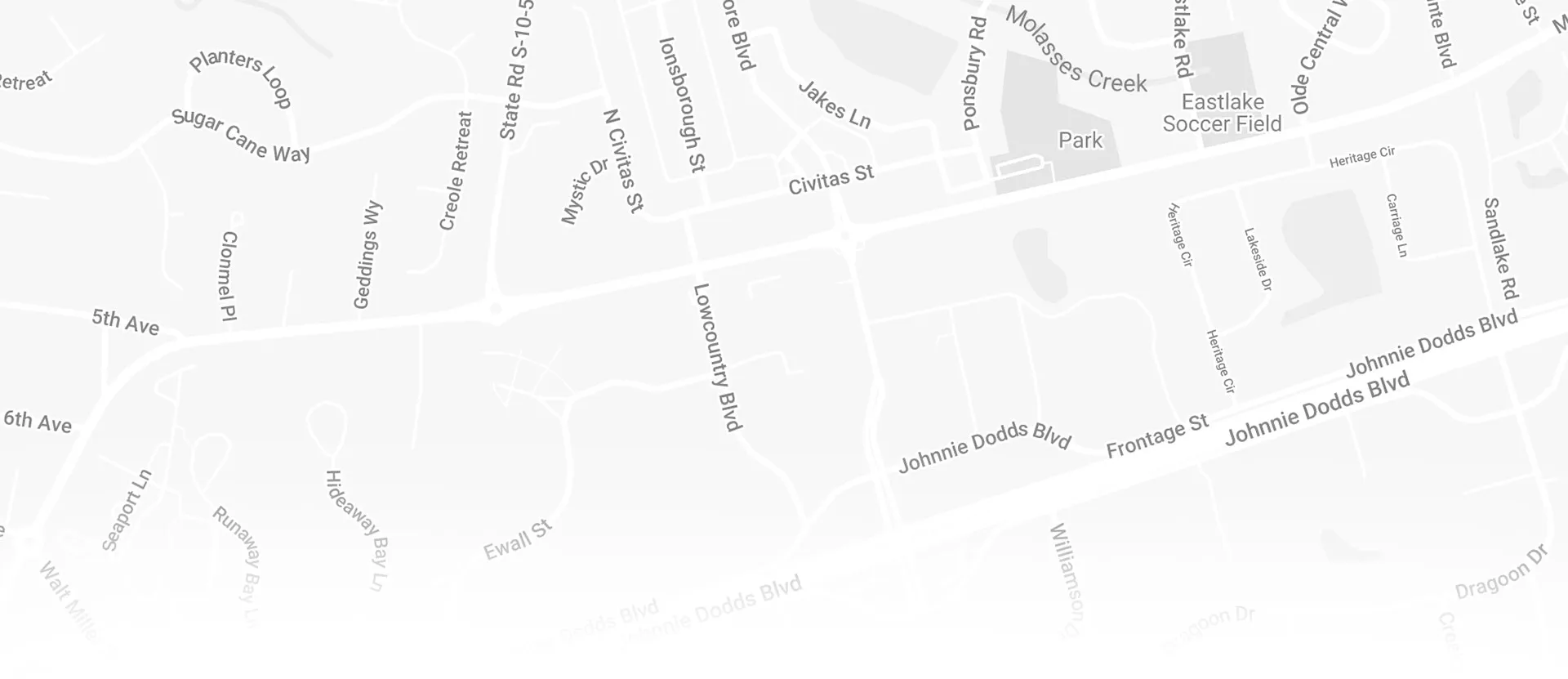
858 W Lowcountry Blvd,
Mt Pleasant, SC 29464, United States
Phone: (843) 412 9507

© 2026 Ballinger Law Firm • All Rights Reserved.