
Handling the family court system in South Carolina can be complex and emotionally overwhelming. At Ballinger Law Firm, Attorney Beverly K. Ballinger brings more than 25 years of experience to guide clients through every step.
Our firm provides skilled, compassionate representation, ensuring your interests are protected and helping you achieve the best possible outcome for your family. For a consultation, please call us at (843) 412-9507 or contact us online today.
The South Carolina family court system handles divorce cases for couples seeking to legally end their marriage. This includes both contested and uncontested divorces, where couples may disagree on issues such as property division, alimony, or child custody. Family court also handles annulments, which legally declare a marriage invalid due to circumstances present at the time of marriage, such as fraud or incapacity.
Family court oversees cases involving the care and custody of minor children. Courts determine legal custody, which defines a parent’s right to make major decisions for the child, and physical custody, which dictates the child’s primary residence. Visitation schedules are also established to ensure that noncustodial parents maintain regular contact with their children. Family courts aim to prioritize the best interests of the child in all custody and visitation matters.
Family court handles child support cases, ensuring that noncustodial parents contribute financially to their child’s upbringing. The court also deals with spousal support, often called alimony, which requires one spouse to provide financial assistance to the other after a divorce. Courts consider income, earning potential, and the standard of living during the marriage when determining these payments.
Other issues handled by family court may include paternity cases, adoption cases, guardianship, emancipation of minors, protective orders, and the division of marital property. Essentially, any legal matter involving family relationships or the welfare of children can fall under the jurisdiction of the South Carolina family court.
The family court system in South Carolina is a specialized division of the state’s judicial system that handles cases involving family matters. Family court is separate from general civil and criminal courts and focuses exclusively on issues such as divorce, child custody, child support, and enforcement actions. Judges in family court are trained to address sensitive family-related cases and make decisions that balance legal standards with the best interests of children and families.
Cases in family court typically begin when a party files a petition or complaint. For example, a spouse may file for divorce, or a parent may request child support or custody. Once the paperwork is submitted, the court schedules hearings and notifies the other party. South Carolina law requires proper service of documents to ensure that all involved parties have an opportunity to respond and participate.
Family court often encourages mediation or alternative dispute resolution before trial. Mediation allows parties to negotiate agreements with the help of a neutral mediator, which can reduce conflict and save time and money. If mediation fails or is inappropriate, the case proceeds to formal hearings, where both sides present evidence, call witnesses, and make legal arguments.
After reviewing the facts, family court judges issue rulings based on South Carolina law and the best interests of children or other affected parties. Judges may issue orders regarding custody, visitation, child support, alimony, or protective measures in cases of domestic violence. Orders are legally binding and enforceable through the court system.
Parties who disagree with a family court ruling may appeal to a higher court, including the South Carolina Court of Appeals. Family courts also have mechanisms to enforce their orders, including wage garnishment, contempt proceedings, or law enforcement assistance for protective orders.
Overall, South Carolina’s family court system is designed to provide a structured, legally guided process for resolving sensitive family disputes while prioritizing fairness and the welfare of children and families.
Attorney Beverly K. Ballinger, of Ballinger Law Firm, has been practicing law since 1986 and brings more than 25 years of experience to clients handling the South Carolina family court system. Her extensive legal background and deep understanding of family law allow her to guide clients through complex and often emotionally challenging cases with confidence and care. Whether dealing with divorce, child custody, child support, parental relocation, modification, or enforcement actions, Beverly K. Ballinger is skilled at protecting her clients’ rights and advocating for the best possible outcomes.
From the moment a case begins, Attorney Ballinger works closely with clients to assess their unique situations, explain the legal process, and develop a strategy tailored to their needs. She can prepare and file petitions or responses, ensuring that all paperwork meets South Carolina’s legal requirements and deadlines. Her attention to detail reduces the risk of delays or complications and ensures that every aspect of a case is properly documented and presented.
Attorney Ballinger is also experienced at negotiation and mediation, which are often essential in family court matters. She can work to resolve disputes outside of a courtroom, aiming for agreements that protect her clients’ interests while reducing conflict. When a case does proceed to a formal hearing, she is prepared to advocate effectively on her clients’ behalf, presenting evidence, questioning witnesses, and making persuasive legal arguments.
Her knowledge of the South Carolina family court system also extends to enforcement of court orders, modification requests, and appeals. Clients benefit from her ability to anticipate potential challenges and respond promptly, minimizing stress and uncertainty.
With decades of experience and a client-focused approach, Attorney Beverly K. Ballinger can help individuals and families manage stressful family court matters. Her commitment to providing skilled, compassionate representation ensures that clients have a trusted advocate throughout every stage of their case.
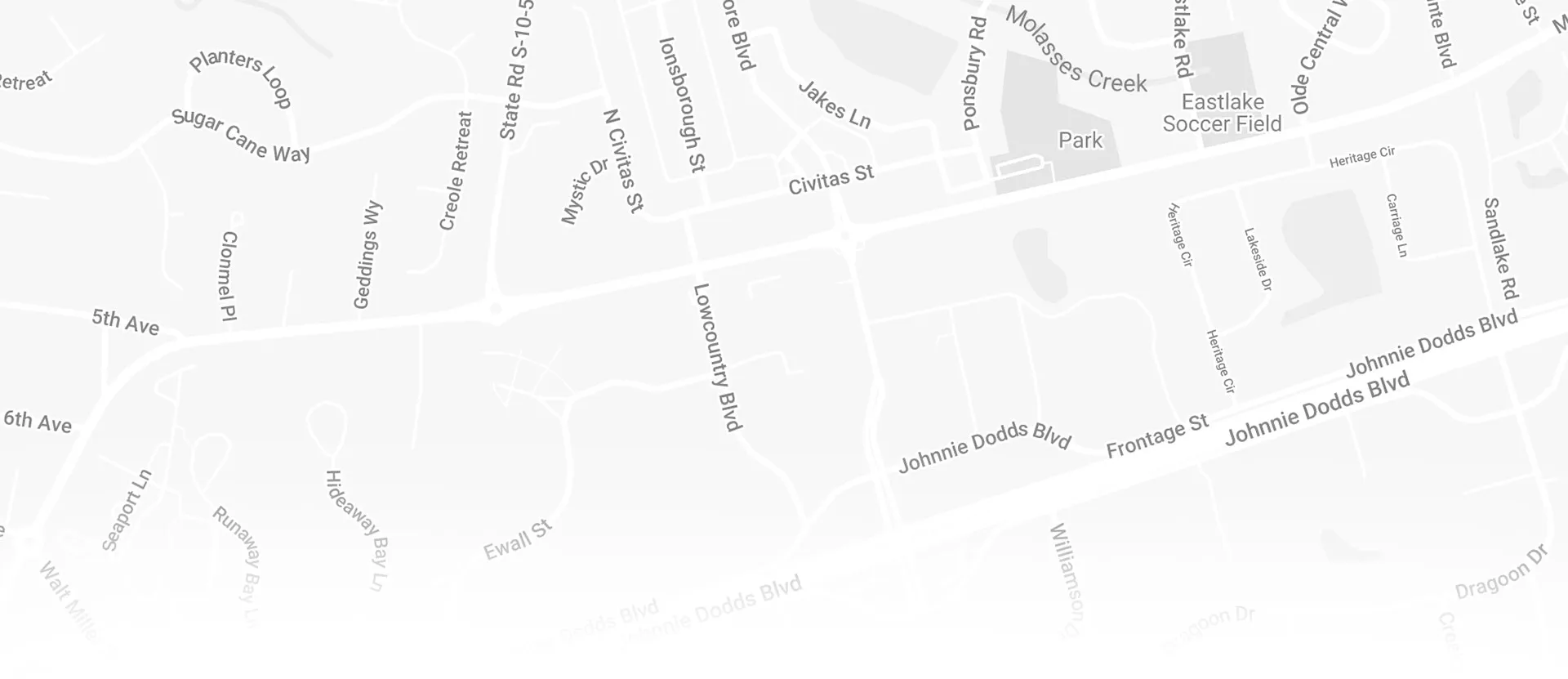
Contact the experienced lawyers at Ballinger Law Firm today & schedule your free consultation. We proudly serve Mt Pleasant & all throughout South Carolina. Visit our law office at:
Ballinger Law Firm – Mt Pleasant
858 W Lowcountry Blvd,
Mt Pleasant, SC 29464, United States
Phone: (843) 412 9507

© 2026 Ballinger Law Firm • All Rights Reserved.