
Spousal support is not a given in a South Carolina divorce, but it is also not uncommon. Whether you are seeking spousal support against a spouse who doesn’t want to acknowledge your contributions to the marriage, or you are fighting back against demands for unreasonable amounts of support, a spousal support attorney in Berkeley County, SC can help you make the best case to protect yourself and your rights.
A first and very important thing to know about spousal support in our state is that any partner who commits adultery before there’s an official permanent separation order, a permanent order of approval for property division, or before you’ve signed a marital settlement agreement is automatically prohibited from collecting spousal support.
South Carolina has no calculator to use and no requirements to have spousal support at all; however, state law does require the courts to consider certain things as they make a decision. The court can also basically factor in anything at all it might think is important, even if it’s not on this list; however, the following factors are ones the court must consider.
The law requires that the courts first consider the physical and emotional condition of each spouse. The court will be considering if the spouses are fit to take care of themselves and whether either spouse has done something to harm the physical or emotional condition of the other spouse. Another factor that the court must consider is how long the marriage lasted and how old the parties were at the time they married and the time they got divorced. The longer the marriage lasted, and the younger the parties were when they married, the more likely alimony is.
It’s also important for the court to look at the education that both spouses have had and whether one spouse will require more education and training to reach the same level of income potential as the other. Other important factors include the employment history and career of both spouses, the standard of living the spouses have had during the marriage, how much money each spouse makes currently and what reasonable expenses will be for each spouse going forward.
It also matters who has custody of the children, and particularly if one spouse has primary or even sole custody, so that it would not be appropriate for them to work outside the home or they could only work a very limited, part-time job. The court will also consider how much marital property the spouses have and how it’s divided, and the tax consequences of that division.
Finally, the courts are required to consider marital misconduct. If the couple is divorcing because of misconduct by one or both spouses, that in itself does not mean the offender must pay alimony. However, if that misconduct did anything to affect the economic situation of the other partner or was the primary contributor to the marriage breaking up, it will weigh heavily in the court’s mind.
There are essentially just two types of spousal support – short term and long-term, or pendente lite and regular alimony – but with the latter, there are several possibilities. Short term or pendente lite alimony is always meant to be temporary. Its only purpose is to provide for a dependent spouse who may have immediate needs while the divorce is going through the courts.
Regular alimony is usually for a longer term and can be awarded periodically, in a lump sum, as reimbursement, or as rehabilitating.
This is the type of alimony most people are familiar with. This allows for periodic payments that can be modified and ended at some point in the future, though they don’t have to be. Usually, these payments would end if the receiving party gets remarried or cohabitates with a new partner or if either spouse dies. Periodic payments can be modified whenever there’s a change in circumstances that might warrant a modification.
Sometimes, the courts will order one spouse to pay a fixed sum to the other. This can be paid all in one large payment or in installments over time. If lump-sum alimony is ordered, it doesn’t matter if the receiving partner gets married or cohabitates with a new partner: everything must still be paid. The only reason this type of alimony would stop is if the receiving spouse dies. If the paying spouse dies, their estate is still responsible to pay the remainder of the sum they owe.
This type of alimony is also a fixed amount and can also be paid in one lump sum or installments; but it can be terminated if the receiving spouse remarries or cohabitates with a new partner or if either spouse dies. The court can also order this type of alimony to stop once a specific event takes place. For example, this type of alimony could be ordered to enable a spouse who had no chance to forge a career to get the training they need to. If that spouse finishes their training and then gets a good job, that could be the triggering event that allows the payments to stop.
Reimbursement alimony is payment of a particular sum of money specifically to repay a partner for some loss. For example, if one of the spouses uses shared marital property to give extravagant gifts to a secret romantic partner, the offending spouse is essentially stealing marital property that is only “half” theirs to use. If there is not enough marital property to make that loss up to their spouse, the court may order the offending partner to pay their ex-spouse their half of the stolen property in installments. This type of alimony can terminate if either party dies or if the receiving party gets married again.
A good spousal support attorney can evaluate your case and help you argue it persuasively before the court, whether that’s to request more or less ordered support, terminate or change an existing order, or propose an alternative way of dealing with support needs. As you search for an experienced attorney, make sure you ask questions that will help you find the right person to fight for your rights.
Ask how much experience the attorney has in these cases. If you are working with an attorney who is focused on family law, they will understand all the laws as well as the preferences of the local courts. They will know what factors the courts will consider and how to present the details of your situation in the best possible way.
Also, ask them how they intend to approach negotiations. If you and your spouse are on reasonably good terms, you want a lawyer who knows how to offer sound advice and encourage you while taking care of all the legalities and making sure your agreement will be acceptable to the court. But if things are contentious, you will need someone who can be an aggressive negotiator, as well.
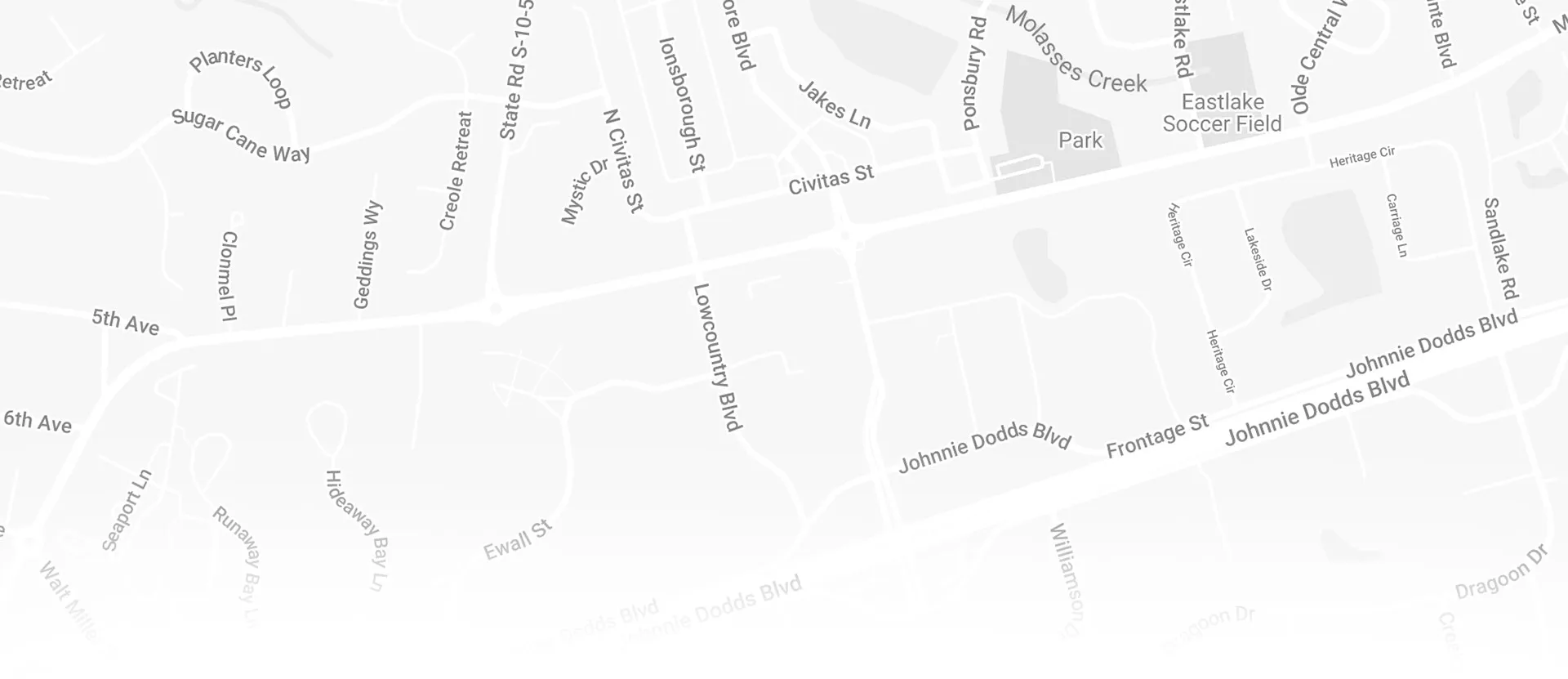
Contact the experienced lawyers at Ballinger Law Firm today & schedule your free consultation. We proudly serve Mt Pleasant & all throughout South Carolina. Visit our law office at:
Ballinger Law Firm – Mt Pleasant
858 W Lowcountry Blvd,
Mt Pleasant, SC 29464, United States
Phone: (843) 412 9507

© 2026 Ballinger Law Firm • All Rights Reserved.