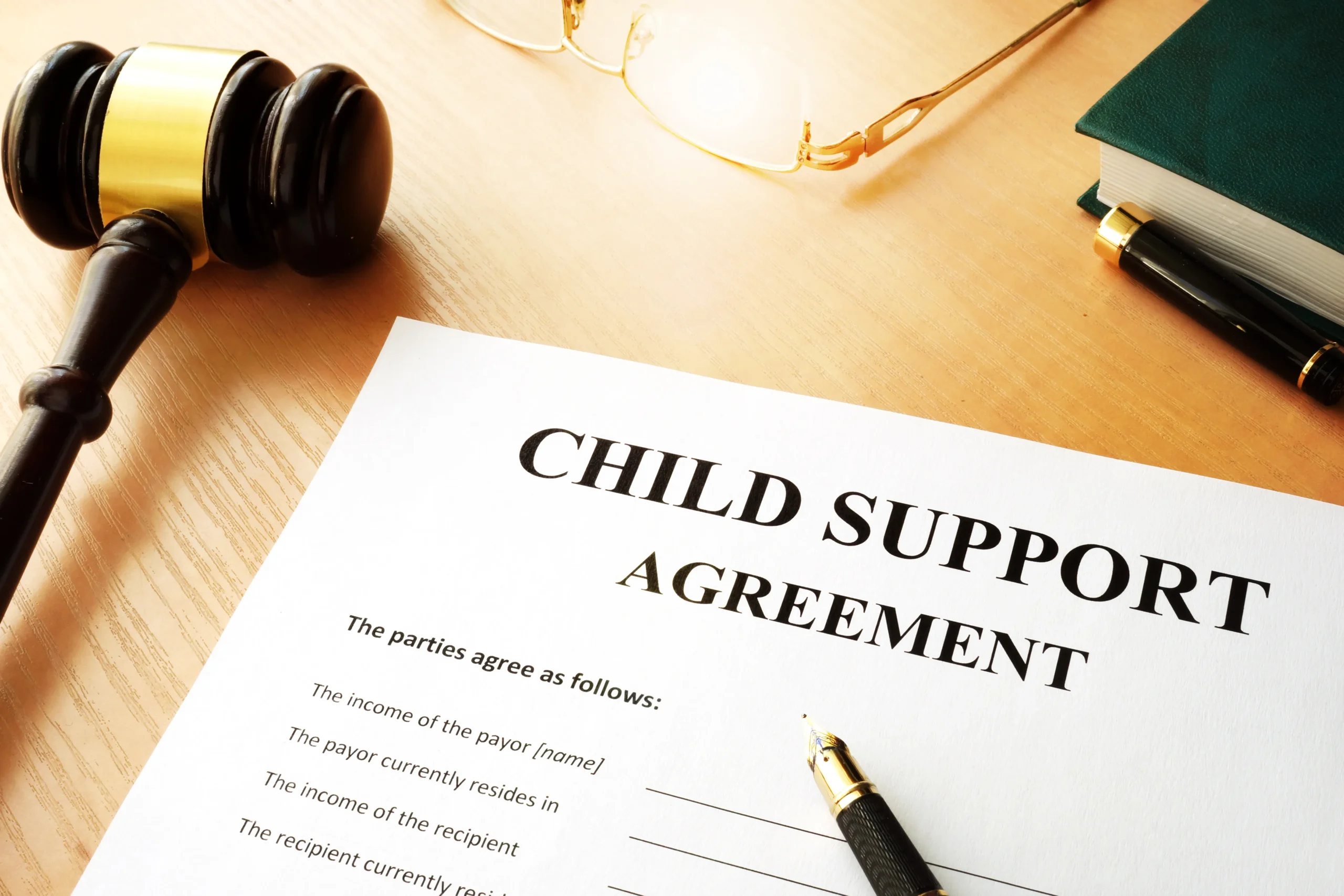
If you find that your current child support order is just not working for you and your family, there are some situations where you can bring a request to get it modified. It’s always best to talk to a child support attorney who has experience here in Lowcountry, SC to be sure that you present your modification request in a way that is likely to be acceptable to the court.
To modify a child support order, you will need to prove there has been a significant change in the circumstances. This change could be in the life of one of the parents or the life of the child, and the courts strive to strike a balance between not disrupting a child’s life with constant support order changes for small things while also acknowledging that a big change in circumstances may absolutely require a substantial change to support orders.
Substantial changes could include the child becoming diagnosed with a new illness or disability that requires expensive treatment or care, or a change in child custody. For example, if the child used to live with the mother and the father paid child support, but the child now lives with the father, the father could request to end child support payments. A substantial change in the life of one of the parents might include one of them becoming severely injured or disabled, losing a job, or having to take a substantial pay cut. If a parent simply quits a job of their own initiative, this is not likely to be considered for child support change.
There are other situations that may or may not convince the court to make a change to the support orders, depending on the circumstances. For example, if a parent chooses to have another child with a new spouse, this may change the calculations for the support order but may not actually bring about a change in the order itself. If a parent remarries, this may or may not affect child support, depending entirely on the situation. If a child wishes to take up an expensive new hobby, such as horseback riding, the court is unlikely to require the paying parent to pay more money just for this.
The first step in getting an order modified is to work with an attorney who understands South Carolina law and has experience with the local family courts. An attorney will be able to look over your circumstances and tell you quickly whether the court is likely to look favorably on your request for modification. Then, your attorney can help you gather all the necessary evidence so that your petition is made correctly the first time, which will minimize the time and money that it takes to get this done. Your attorney will make sure that your case is convincing and can represent you in a hearing to explain to the court exactly why a modification is important in your situation.
With your attorney, you will write a letter explaining that there’s been a change in your circumstances and requesting a modification. This letter needs to identify you, be very clear and explicit about what the change in circumstances is, make a clear request for a review of the case, and contain all the necessary attachments of evidence backing up your claims.
You’ll need to include proof of your income at the least, and the other documents you need will depend on why you’re requesting a modification. For example, if you are claiming that you are injured or ill, you will need a statement from a doctor explaining this and giving an estimate for how long you will be unable to work. If there’s a new child in your home, you’ll need to attach a birth certificate. If there’s been a change to your child’s health, all the necessary documents proving this and explaining the need for new treatment will need to be attached. Your attorney will make sure that you don’t miss anything.
The next step depends on where your support order comes from. If your order is through the Department of Social Services, you can request modification every three years and will make your request to DSS by sending all the information to your caseworker. If your order is part of a divorce or custody court order, then you need to petition the court. Either way, things will go more smoothly with a lawyer helping you.
If you have a support order from another state, in most cases you cannot get it modified by a South Carolina Court. You will need to go to the family court of that state where the order was initially issued to get a modification.
If you’re having a problem with the other parent not paying the child support they’ve been ordered to pay, talk to your lawyer about petitioning for relief. A parent who refuses to pay can be held in contempt of court and jailed, their child support payments can be involuntarily withheld from their wages or unemployment benefits, their tax refunds can be confiscated, their credit can be downgraded, and they can even have certain professional licenses revoked.
Typically, a child support order will be effective either until the child reaches the age of 18 or is legally emancipated. If for some reason the child is still in high school after age 18, child support will usually continue until they graduate, unless there are special circumstances. Child support can also end if the paying parent successfully petitions the court to end it or there is a material change in circumstances that would warrant an end to child support. There are some special circumstances where child support can go on long after the child has turned 18, such as if the child is disabled.
If one of the parents can acquire insurance for their child, the cost of this could be included in calculating child support. In other words, whichever parent is providing the insurance would get a credit for that amount against their child support payments.
DSS has a formula for calculating these payments which considers the number of children that are being supported, the income of both parents, whether there is alimony being paid, any work daycare benefits that are available with either parents’ job, exactly how custody is arranged, any prior child support obligations that the paying parent may have, and the total number of children that are living in each parent’s home.
Once all of this has been calculated, the state has a rough number for the total amount of income that both parents are bringing in. This is then divided in proportion to each parent’s percentage of that income. If both parents have custody and work jobs with similar income, there may be no custody paid at all. But the idea is to even things out so that the child will have a similar lifestyle no matter which parent they are with.
Contact the experienced lawyers at Ballinger Law Firm today & schedule your free consultation. We proudly serve Mt Pleasant & all throughout South Carolina. Visit our law office at:
Ballinger Law Firm – Mt Pleasant
858 W Lowcountry Blvd,
Mt Pleasant, SC 29464, United States
Phone: (843) 412 9507

© 2026 Ballinger Law Firm • All Rights Reserved.