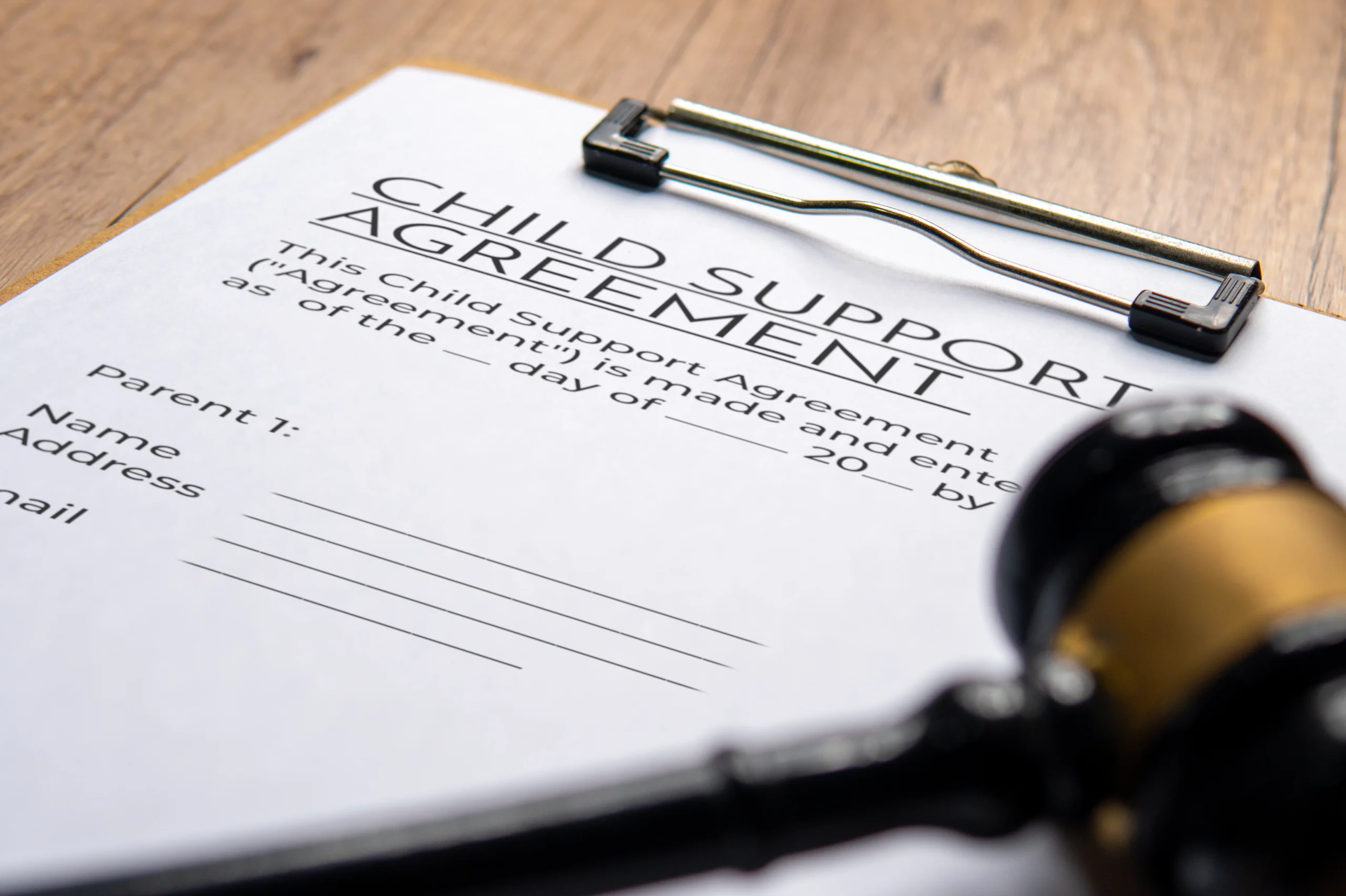
Child support payments and receipts can significantly affect your finances, influencing your annual taxes and filing status. Many parents are unsure how child support affects their taxes, especially given complex factors like parenting schedules, multiple income sources, and changing tax laws.
If you’re uncertain about these complex matters, a child support lawyer from our firm can walk you through how child support applies to your financial and family situation. Making informed decisions can help parents minimize tax liability, avoid audits, and ensure their children’s economic stability. Contact Ballinger Law Firm to schedule a consultation with experienced family law attorneys who provide comprehensive guidance on child support’s tax implications.
The Internal Revenue Service (IRS) establishes clear rules distinguishing child support from alimony for tax purposes. These distinctions carry substantial consequences for both paying and receiving parents. South Carolina follows the federal tax treatment of child support under S.C. Code Ann. § 63-17-470, which governs child support guidelines but defers to IRS regulations on tax matters.
Child support payments do not qualify as taxable income for the custodial parent receiving them. That means you do not report these amounts on your federal or state tax returns or pay income tax on money received for your children’s care. The IRS treats child support as a transfer of funds for the child’s benefit rather than income earned by the receiving parent, thereby exempting these payments from all tax requirements regardless of the payment amount or frequency.
Paying parents cannot deduct child support payments from their taxable income, regardless of payment amounts or frequency, because the IRS treats these transfers as personal family expenses rather than deductible support obligations.
Unlike alimony or spousal support payments, which may qualify for tax deductions under certain circumstances, child support provides no tax benefits to the parent making payments, creating a fundamental difference in how courts and parties structure divorce settlements.
Federal law grants the custodial parent the automatic right to claim the child as a dependent regardless of who pays child support or contributes more financially to the child’s expenses. The custodial parent controls this dependency exemption and can choose to use it or release it to the noncustodial parent through proper IRS procedures using Form 8332.
Noncustodial parents may claim children as dependents only when the custodial parent voluntarily releases this right by completing IRS Form 8332 and providing it to the other parent for attachment to their tax return.
Courts can order custodial parents to execute these release forms as part of child support agreements, particularly when noncustodial parents maintain higher incomes and derive greater tax benefits from claiming dependents, or when parents agree to alternate dependency claims on a year-by-year basis.
South Carolina courts, under S.C. Code Ann. § 63-17-310, can address dependency exemptions in child support orders but cannot override federal tax laws. Judges weigh multiple factors to decide whether assigning dependency claims aligns with the children’s best interests:
South Carolina operates a tax refund intercept program through the Department of Social Services that automatically seizes state and federal tax refunds from parents who fall behind on child support obligations. The program applies intercepted refunds directly to outstanding child support arrearages, providing custodial parents with past-due payments while holding delinquent parents accountable through aggressive collection measures that reach both state and federal tax refunds.
The parent claiming a child as a dependent can access valuable tax credits that reduce federal income tax and may even result in refunds exceeding the taxes paid. Knowing which credits apply helps you maximize your tax benefits:
Claiming these credits requires meeting specific IRS requirements regarding income levels, relationship to the child, residency, age limits, and other criteria. Noncustodial parents who receive dependency exemptions through Form 8332 cannot claim credits that require custodial parent status, meaning they typically cannot claim the Earned Income Tax Credit or file as head of household.
Parents with child support obligations frequently make tax filing errors that trigger IRS audits, result in denied credits, or create disputes with former spouses over dependency claims. Avoiding these common mistakes protects you from penalties:
Our family lawyers help clients structure child support agreements with clear tax provisions that prevent these errors and provide certainty about dependency claims, filing status, and available credits for both parents.
Child support’s tax implications demand attention during divorce proceedings, modification requests, and annual tax filing to protect your financial interests and ensure compliance with federal and state law. Call Ballinger Law Firm at (843) 412-9507 to schedule a consultation with an experienced child support attorney who has been serving families in the South Carolina area for over 25 years.
Contact the experienced lawyers at Ballinger Law Firm today & schedule your free consultation. We proudly serve Mt Pleasant & all throughout South Carolina. Visit our law office at:
Ballinger Law Firm – Mt Pleasant
858 W Lowcountry Blvd,
Mt Pleasant, SC 29464, United States
Phone: (843) 412 9507

© 2026 Ballinger Law Firm • All Rights Reserved.