
As divorce is an important legal process, it’s vital to follow every step in that process the right way. While there are other things that can hold up a divorce, such as the attitude of a spouse and their willingness to cooperate (or lack thereof), when you work with a Berkeley County, SC divorce attorney, you ensure that at least the legal steps will be accomplished as smoothly and quickly as possible.
The first step in a divorce really should be hiring a lawyer. Someone with experience in the local county family law courts who knows South Carolina law well can give you the best advice on all the important decisions of your divorce, represent you in all legal proceedings, negotiate for you, provide a buffer between you and your spouse so that it’s easier to come to agreements, and make sure that any agreements you do come to are in your best interests and have your future in mind.
It’s hard to stay emotionally neutral when you are personally involved in a divorce, but an attorney can do that for you and help you stay focused on making the best decisions (rather than the emotional decisions).
Where you file for divorce will depend on where you live and how long you’ve lived there. The person who files for the divorce in South Carolina law is called the “plaintiff.” You must have been a residence of the state for at least a year if you are the only one who lives here. If both you and your spouse are residents of the state, then the two of you each have to have lived in the state for three months or longer. Otherwise, you will need to file in another state or wait. Your lawyer can tell you more about the best choice for you.
You will file your petition for divorce with the Clerk of County, and this can be the county where you and your spouse last live together as a married couple, your spouse’s county of residence at the time that you file, or your county of residence if your spouse is not a South Carolina resident.
You have to give a reason for your divorce, and South Carolina makes that relatively easy by allowing for no-fault divorce. In a no-fault divorce, you and your spouse are saying that no one is to blame; you just can’t get along and there’s no hope of fixing it and returning to life as a married couple. This is the fastest and easiest way to get a divorce, but it’s not always right for a couple, and if your spouse is uncooperative, it may be impossible.
South Carolina also allows you to file for divorce on the grounds of adultery, habitual addiction to drugs or alcohol, physical cruelty, or if your spouse has deserted you for a year or more. It can make a difference to the way assets are divided and the final decree of divorce if you are able to prove fault grounds, but you do have to be able to prove them.
South Carolina has a mandatory waiting period for no-fault divorce. You and your partner must have lived separately for an entire year if you want to get a no-fault divorce, and that means that you must have lived in completely different residences. It’s not enough to just have lived in different rooms of the same house. If it can be shown that you and your spouse reconciled, even for a short period during this time, the whole thing resets, and you have to wait another year.
If you are claiming fault grounds, there is a mandatory 90-day waiting period. Whatever waiting period you have, this is a time to work together with your lawyer to make sure you’re ready to go as soon as the waiting period is over. You want all your paperwork and required documents to be ready and to be emotionally prepared for the process.
At the very least, you will need to prepare a family court cover sheet, a summons for divorce – which you will send to your spouse once the process begins – a complaint for divorce, and a financial declaration. The financial declaration has to explain your financial situation and be signed by a notary public. If you and your spouse are getting a no-fault divorce, you also need a certificate of exemption, which your lawyer will help you with.
Your next step once the papers are ready and the waiting period is over is to have your lawyer file your petition with the appropriate clerk. Once that’s done, you have to give your spouse official notification of your petition for divorce. If you and your spouse agree on getting divorced, the simplest thing to do is to just give them the papers and have them sign an Acceptance of Service form, which shows the court that they are in agreement with getting a divorce. If your spouse is not cooperative or wants to contest the divorce, you may need to have them formally served.
There are a couple of ways to do this. You can send them the documents by certified mail with return receipt requested. You’ll need to get all the paperwork from the USPS for this. You can also ask the sheriff’s office in your spouse’s county to deliver the documents by hand. You can also pay to have a private server deliver the papers or use UPS or FedEx, as long as you get an assigned acceptance form. If you cannot find your spouse, you would publish a notice in the newspaper and go from there, depending on whether they respond. Your spouse has 30 days to respond to the papers.
You are required to prepare a financial declaration if there are any finances involved in your divorce, such as if there needs to be any division of assets or you are claiming alimony or child support. You’ll need to provide proof of your income, bank statements, credit card statements, tax returns, information on all accounts that you have for investments or retirement, and all the documents related to any business that you own. You and your spouse are required to exchange all this information before you have your first hearing or 45 days after your spouse was served.
Mediation is often recommended by the court and in some case it is required, such as if you and your spouse are not in agreement about child custody or child support. The purpose of mediation is to reduce the overall burden on the family courts, but if you and your spouse have an uncontested divorce and agree to all the terms, mediation won’t be necessary. If you do have to enter mediation, your lawyer will help you here, too.
For help with your South Carolina divorce, contact the Ballinger Law Firm in Mount Pleasant, SC today. We serve Mount Pleasant, Charleston, Berkeley County, Dorchester County, and the South Carolina Lowcountry.
With more than 35 years of family law experience, Ballinger Law Firm provides the guidance you need to protect your financial future while entering marriage with confidence and clarity.
Visit our law office at:
Ballinger Law Firm – Mt Pleasant
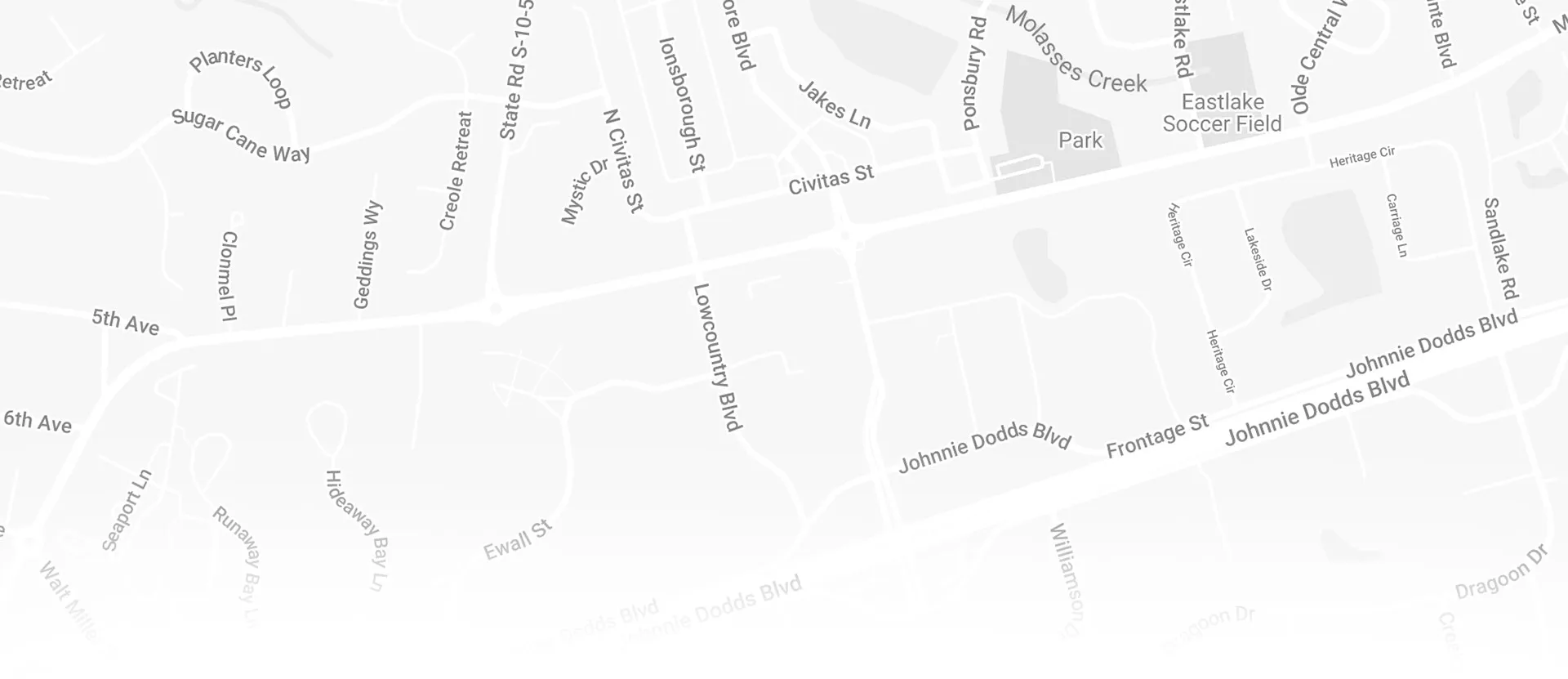
858 W Lowcountry Blvd,
Mt Pleasant, SC 29464, United States
Phone: (843) 412 9507

© 2026 Ballinger Law Firm • All Rights Reserved.